

Morning arrives softly in Sentlhane. Sunlight walks down the hills, birds call from the thorn trees, and a pair of impala step through tall grass as if they own the place. This is not a game drive. It is daily life for residents on the southern edge of Gaborone, where the private reserve and residential community of Eden Hills is taking shape among natural corridors and wide, open plots.
The promise is simple. Live in a freehold estate with real wildlife and real city access. Families can reach schools and shops in minutes, then return to quiet roads and long views before the day is done. The setting feels rural, yet the commute is practical. That blend has drawn interest from Gaborone buyers and from regional and overseas families who want a home that keeps them close to nature without giving up convenience.
On walks at dusk you will hear francolins, watch swallows arc over seasonal streams, and sometimes catch sight of zebra moving across the bush. Estate notes list antelope such as steenbok and duiker, and regular visits from guinea fowl. The team behind Eden Hills talks about a 12 hectare conservation reserve at the heart of the plan, linked to the residential areas through green corridors so people and wildlife can live side by side with respect.
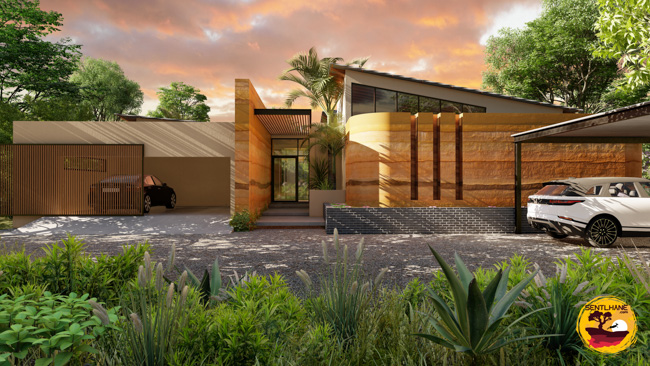
Life in a wildlife estate is not only about what you see. It changes the rhythm of a home. Windows are placed for morning light, patios are used more often, and children learn the names of birds that flash through the yard. Design guidelines in Eden Hills encourage indoor and outdoor rooms that sit low on the land, with materials and colors that suit the terrain. The effect is calm and natural. The idea is to enhance the landscape rather than overpower it.
The social side matters too. Plans mention a clubhouse precinct with gym, café, and pool, a place to meet neighbors after early runs or late swims. Paths wind through the reserve for evening walks. Weekends lean toward bikes, picnics, and quiet time under the eucalyptus line. When visitors come out from the city they often pause at the silence first, then the view. The hills do most of the talking.
Buying into a nature estate also raises practical questions. How close is it to town. What about security, utilities, and maintenance. Sentlhane sits just beyond Mokolodi along the A1. That location keeps travel times short while preserving the sense of being away. Internal roads and services are planned to support year round living, and homeowners join an association that manages shared facilities and conservation areas for the long term.
Wildlife and people can coexist when the plan is careful. Corridors limit conflict and give animals predictable paths. Fences are placed to guide movement, not to fence nature out completely. Lighting is selected to protect night skies. Landscaping uses hardy local species, which reduces water demand and attracts birds. The result is a neighborhood that feels alive and still feels private.
For some buyers the value is emotional. They want their children to grow up with big skies and to know what a zebra hoofprint looks like after rain. For others it is an investment decision. Botswana is known for stability and strong nature assets, which gives confidence to international buyers who are comparing options across the region. Sentlhane’s advantage is that it offers both lifestyle and access. City in reach. Bush on the doorstep.
If you are considering a move, visit in the late afternoon when the light turns warm and the sounds settle down. Stand on a plot and feel where the breeze comes from. Look at the ridge line and how the sun drops behind it. Then ask for the buyer’s pack and design guidelines. A home should fit the land first. The rest follows.
Kicker: In Sentlhane the commute is a short drive, and the neighbors may have stripes.