

Evening settles over the southern ridge and the light performs its familiar trick, softening the hills until the skyline feels like a promise rather than a line on a map. A small group stands beside a survey peg and speaks in two languages at once, the language of spreadsheets and the language of place. They ask about tenure and transfer, about holding costs and rental appetite. They also ask how the air feels after a summer storm, and whether the birds arrive before the kettle or after it. In that layered conversation lies the real question investors keep bringing to Gaborone: not simply whether Botswana is the next big destination, but whether a home here can be counted on to reward both the head and the heart.
The case begins with clarity, since markets that welcome long horizon capital tend to write their rules in ink. In Botswana the route to ownership in designated developments is freehold, title is recorded at the Deeds Registry, and process reads like procedure rather than theater. For buyers who prefer facts to folklore, this foundation matters, because legal certainty is not a mood, it is an instrument that makes planning rational. Estates that pair freehold with an effective homeowners association, and that publish design guidelines before romance overwhelms judgment, are the ones that routinely turn interest into signatures.
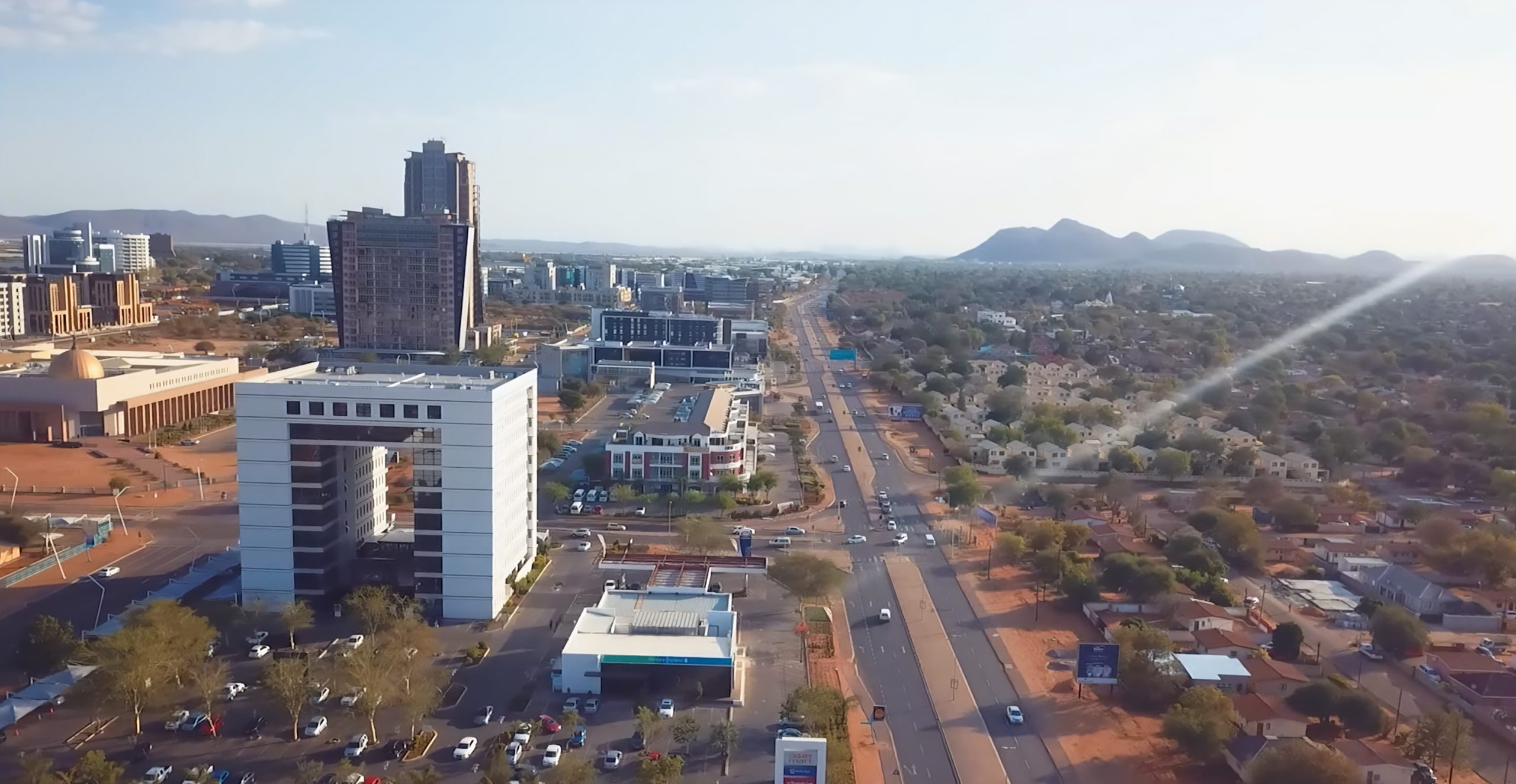
Scale follows quickly, and it can be read two ways. Botswana is smaller than many of its peers, which means headlines are quieter and cycles are gentler; at the same time, Gaborone behaves like a compact capital that returns time to households, and time turns out to be the currency tenants and future buyers prize most. Where a commute consumes hours, fancy finishes cannot restore them; where a commute is short and predictable, even modest plans feel generous, and the address becomes sticky in the best sense. Investors who compare cities often discover that minutes on a clock explain retention better than adjectives on a brochure.
Landscape is the third element and, in the right neighborhood, it functions like an everyday utility rather than a postcard. Sentlhane, on the city’s southern arc, places Eden Hills in a private wildlife reserve, threads homes along green corridors, and sets a conservation core at the center, so encounters with zebra or francolins arrive as part of the day’s rhythm, not as a curated event. This is not a resort that empties on Monday, nor a suburban grid that forgets where it was built; it is a plan that lets verandas, shade, and breeze do the work that machines try to do elsewhere. Investors who intend to live in what they own, or who plan to host tenants who live like owners, tend to recognize the durability of this pattern.
The money lines are straightforward if you position them properly. Pricing inside estates such as Eden Hills is release driven and sensitive to siting, so a gentle slope with a long view may carry a premium, while a plot near a corridor that brings birdlife to the edge of a garden often sells on feel as much as on figures. Build strategies that begin with orientation, shade, and cross ventilation keep budgets honest, since they reduce the need for complicated systems and invite materials that age well. The returns that matter most, the ones that accumulate quietly, are monthly bills that behave, maintenance that fits a normal calendar, and weeks that run without friction.
Risk deserves a candid paragraph, because reputations are built when surprises are rare. Botswana rewards early homework and transparent files. Investors who appoint a conveyancer before they fall for a façade, who read guidelines before they sketch a roofline, and who test two site visits at different hours, tend to trade uncertainty for order. The best developments meet them halfway. They publish what they can, they answer what they should, and they treat the reserve as an asset to be stewarded rather than a slogan to be deployed. In practice this looks like roads that last, rules that make sense, and a tone that respects land and neighbor in equal measure.
Gaborone’s southern arc supplies the final piece, which is the lived routine. Shops and clinics sit within reach so errands do not swallow afternoons, schools are practical to access so mornings start without a fight, and the ridge supplies a natural schedule that draws people outside when the air turns soft. In Sentlhane this cadence is part of the product. Walk the corridors at dusk and you will see why buyers return with friends a week later, and why families who rent for a season begin to talk about staying. The neighborhood does not sell spectacle; it sells time, and time is what people buy when they say they are buying real estate.
If the question remains whether Botswana is the next big destination, the most honest answer is that size is not the point. Confidence is. A city that treats households as human units rather than as traffic numbers, a legal culture that treats deeds as instruments rather than as ornaments, and a neighborhood that treats landscape as a partner rather than as scenery, will outperform its headline every year. That is the argument Sentlhane makes without raising its voice. It offers freehold certainty, daily nature, and a short drive, and it invites investors to notice how quickly the week improves when those three elements travel together.
Stand by a plot marker while evening gathers and test your own conclusion. Count the minutes back to town, feel the air shift as the ridge cools, and imagine a house that uses shade and breeze to settle you before supper. If that picture comes easily, the destination label has already become irrelevant. What you have found is not a trend; it is a place that keeps its promises.
Kicker: The strongest investments are addresses people refuse to leave, and in Sentlhane the reasons are written in light, in air, and in the quiet between them.